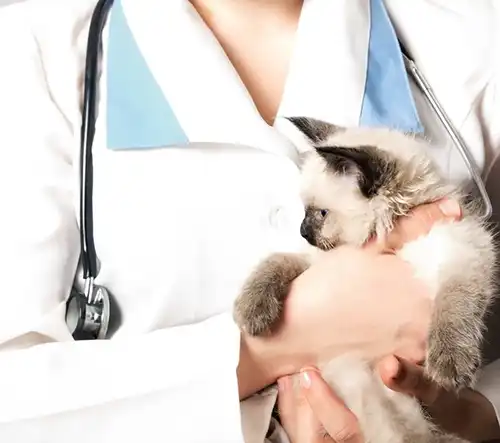



Your feline friend may spend the afternoon napping in a sunny window, sprint through the house at midnight, or quietly curl up beside you after a long day. Cats have a remarkable way of fitting into our lives while still keeping a little mystery about them. Whether you’re raising an energetic kitten or caring for a distinguished senior feline companion, following good cat health tips can help your kitty enjoy a longer, healthier life. At Eugene Animal Hospital, your trusted veterinary clinic in Eugene, OR, we care for kitties of all ages. Every stage of your cat’s life deserves personalized care that supports both physical health and emotional well-being.
Keeping your cat healthy involves much more than providing food and fresh water. Cat wellness care, thoughtful nutrition, enrichment, and preventive care for cats all work together to support your kitty’s lifelong health. Even if your furry bestie spends all of their time indoors, following healthy indoor cat tips and scheduling routine veterinary visits can help identify concerns before they become larger health problems.
Every Life Stage Has Different Needs
Cats change significantly throughout their lives. A playful kitten has very different nutritional, behavioral, and medical needs from those of an adult or senior cat.
Providing age-appropriate care helps your feline companion stay active while reducing the risk of preventable health issues. Routine veterinary visits also allow recommendations to evolve as your kitty grows.
Instead of taking a one-size-fits-all approach, think of wellness care as a lifelong partnership that changes with your cat.
Caring for Curious Kittens
Kittens are full of curiosity. Every box becomes an adventure, every moving object deserves investigation, and nearly everything seems worth climbing.
Those early months are also an important time for developing healthy habits.
Young kittens benefit from:
- Routine veterinary examinations
- Vaccinations
- Parasite prevention
- Proper nutrition for growth
- Gentle socialization
- Safe play opportunities
Introducing nail trimming, brushing, carriers, and gentle handling while your kitten is young often makes these experiences much less stressful later in life.
Providing scratching posts and appropriate toys also helps direct natural behaviors toward acceptable outlets instead of your furniture.
Adult Cats Thrive on Consistency
Once your cat reaches adulthood, maintaining healthy daily routines becomes especially valuable.
Cats appreciate predictability. Feeding schedules, play sessions, litter box maintenance, and quiet resting areas all contribute to emotional well-being.
Routine veterinary examinations remain equally important during adulthood. Even healthy-looking cats can develop dental disease, obesity, arthritis, kidney disease, or thyroid disorders without obvious outward signs during the early stages.
Annual wellness visits help monitor these changes while allowing you to discuss nutrition, behavior, and lifestyle.
Senior Cats Need Extra Attention
Cats are living longer than ever thanks to advances in veterinary medicine and improved preventive care.
As your feline friend ages, regular health monitoring becomes even more important. Arthritis, kidney disease, high blood pressure, diabetes, hyperthyroidism, and vision changes become more common in senior cats.
Some signs are surprisingly subtle.
Your feline overlord may hesitate before jumping onto favorite furniture, sleep more during the day, groom less frequently, or become less interested in climbing. These changes are often mistakenly attributed to “just getting older,” when they may actually reflect treatable medical conditions.
Routine wellness exams help identify these changes earlier.
Nutrition Supports Lifelong Health
One of the simplest cat health tips is providing balanced nutrition that matches your cat’s stage of life.
Growing kittens require diets formulated for development, while adult cats have different nutritional needs. Senior companions may benefit from additional nutritional adjustments based on their health status.
Avoid overfeeding, since excess weight places additional stress on joints, the heart, and other organs.
Monitoring body condition during routine veterinary visits allows gradual adjustments before obesity becomes a health concern.
Fresh water should always be available. Some cats naturally prefer moving water, making pet fountains an excellent way to encourage hydration.
Healthy Indoor Cat Tips
Living indoors protects cats from many outdoor dangers, including traffic, wildlife, contagious diseases, and harsh weather.
However, indoor cats still need opportunities to express natural behaviors.
Consider adding:
- Window perches for bird watching
- Cat trees for climbing
- Puzzle feeders
- Rotating toys
- Scratching posts
- Interactive play sessions
- Quiet hiding spaces
Environmental enrichment provides mental stimulation while reducing boredom and encouraging healthy activity.
Short play sessions throughout the day often better match a cat’s natural hunting instincts than a single long exercise period.
Cat Wellness Care Goes Beyond Vaccinations
Some people think wellness visits mainly involve vaccinations, but they include much more.
During routine cat wellness care appointments, your veterinarian evaluates body weight, dental health, skin and coat condition, heart and lung function, eyes, ears, joints, and overall physical condition.
Behavioral changes, litter box habits, nutrition, and lifestyle are also discussed because they provide valuable clues about your cat’s overall health.
These routine examinations create a health history that becomes increasingly valuable as your cat grows older.
Dental Health Plays a Bigger Role Than Many People Realize
Healthy teeth are about much more than fresh breath. Dental disease is one of the most common health conditions affecting adult cats, and it often develops gradually without obvious signs.
Plaque and tartar can lead to inflamed gums, painful teeth, and oral infections that make eating uncomfortable. Some cats continue eating despite significant dental discomfort because hiding pain is part of their natural survival instinct.
Routine veterinary examinations include oral health evaluations, allowing dental problems to be identified before they become more advanced. Supporting your cat’s dental health throughout their life is an important part of keeping them healthy.
The Litter Box Can Reveal Valuable Health Clues
Your cat’s litter box provides a surprising amount of information about overall health.
Changes in urination, bowel movements, or litter box habits may signal urinary tract disease, kidney disease, digestive problems, arthritis, diabetes, stress, or other medical conditions.
Pay attention if your kitty begins urinating outside the litter box, strains to urinate, produces unusually large or small amounts of urine, or develops diarrhea or constipation. These changes deserve veterinary attention rather than being dismissed as behavioral issues.
Scooping the litter box daily also makes it easier to notice subtle changes early.
Exercise Keeps Cats Physically and Mentally Healthy
Cats may spend much of the day resting, but they still need regular activity to maintain muscle tone, flexibility, and a healthy body weight.
Interactive toys encourage your feline companion to chase, stalk, pounce, and climb in ways that mimic natural hunting behaviors. Even ten to fifteen minutes of active play once or twice a day provides valuable physical exercise and mental stimulation.
Changing toys occasionally or hiding treats in puzzle feeders keeps activities interesting while helping prevent boredom.
Stress Affects Your Cat’s Health
Cats are creatures of habit: they appreciate routines and familiar surroundings. Sudden changes in the household can create stress for them, affecting both their physical and emotional well-being.
It doesn’t take much. Moving, remodeling, introducing another pet, welcoming a new baby, or even rearranging furniture can cause some cats to become withdrawn, overgroom, hide more frequently, or lose their appetite.
Providing quiet retreat areas, maintaining familiar routines, and allowing your feline pal to adjust gradually often helps reduce stress.
If behavioral changes continue, a veterinary examination can help determine whether an underlying medical condition is contributing.
Grooming Is More Than Looking Good
Cats spend a significant portion of their day grooming themselves, but that doesn’t mean they never need assistance.
Long-haired cats often benefit from regular brushing to reduce tangles and hairballs. Older cats with arthritis may have difficulty reaching certain areas, leading to mats or an unkempt coat.
Brushing also allows you to notice skin changes, lumps, parasites, or areas of tenderness that might otherwise go unnoticed.
Nail trimming should also be part of your routine, particularly for indoor cats and seniors whose nails may thicken with age.
Preventive Care for Cats Helps Avoid Bigger Problems
Preventive care for cats focuses on maintaining health rather than simply treating illness after it develops.
Depending on your cat’s age and lifestyle, preventive care may include vaccinations, parasite prevention, wellness laboratory testing, dental evaluations, weight management, and nutritional counseling.
Regular veterinary visits also provide opportunities to answer questions about behavior, aging, travel, and environmental enrichment.
These appointments create a complete picture of your cat’s health over time, making it easier to recognize even subtle changes.
Fun Facts About Cats
Cats are fascinating animals with unique behaviors that continue to surprise researchers and pet lovers alike.
Here are a few interesting facts:
- Cats have an extraordinary sense of hearing that allows them to detect sounds beyond the range of human hearing.
- A cat’s whiskers help judge the width of openings and provide important sensory information.
- Most healthy cats sleep between 12 and 16 hours each day, although kittens and seniors often sleep even more.
- Purring is commonly associated with contentment, but cats may also purr when they’re frightened, stressed, or recovering from an illness.
- Indoor cats generally live longer because they avoid many outdoor hazards, but they still benefit from regular wellness care and enrichment.
Cat Friendly has some insight into feline life stages. The UK site Cat Doctor also has a good piece on the life stages of cats.
Frequently Asked Questions
How often should my cat have a wellness exam?
Most healthy adult cats should have a wellness exam at least once a year, while kittens, senior cats, and cats with ongoing medical conditions may benefit from more frequent visits. Regular exams help identify subtle health changes before they become more serious.
Your veterinarian will recommend a schedule based on your cat’s age, medical history, and lifestyle to support lifelong health.
Can indoor cats still develop health problems?
Yes. Indoor cats are protected from many outdoor dangers, but they can still develop dental disease, obesity, arthritis, kidney disease, diabetes, thyroid disorders, and other medical conditions.
Routine wellness visits, proper nutrition, environmental enrichment, and preventive care remain just as important for indoor cats as they are for outdoor companions.
What are the best ways to keep my cat healthy?
Providing balanced nutrition, regular exercise, environmental enrichment, preventive veterinary care, dental health monitoring, and annual wellness exams are some of the most effective ways to support lifelong health.
Small daily habits combined with regular veterinary visits can make a meaningful difference throughout your cat’s life.
Schedule a Wellness Visit at Eugene Animal Hospital in Eugene, OR
Following these cat health tips is one of the best ways to support your feline companion from kittenhood through the senior years. Whether you’re focused on keeping your cat healthy, planning cat wellness care, or learning more about preventive care for cats, the team at Eugene Animal Hospital is here to help. If you’ve been searching for a vet near me or a trusted veterinary clinic in Eugene, OR, contact Eugene Animal Hospital today to schedule your cat’s next wellness appointment and help your furry friend enjoy many healthy years ahead.
This blog is intended for informational purposes only. Always consult your veterinarian for personalized medical advice, diagnosis, and treatment recommendations for your pet, and follow the guidance provided by your veterinary team.
Do you want to find out more about our pet clinic? Our Service page is a great place to start. We offer a wide range of excellent veterinary care services. These include basics, such as Wellness and Vaccinations, Allergies and Dermatology, Dentistry and Urgent Care, as well as specialized services.



!Social Media Icons