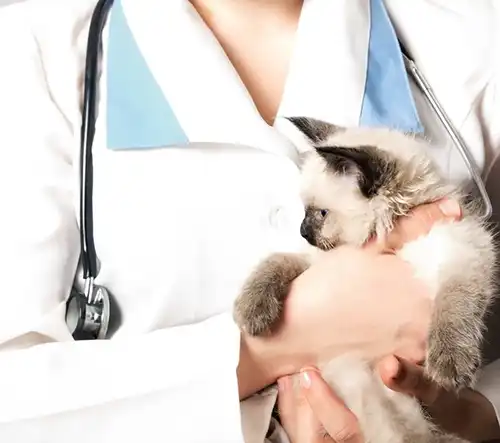



Life with a pet is filled with milestones, from playful puppy zoomies and curious kitten adventures to the slower, wiser pace of the senior years. Every stage brings unique healthcare needs, which is why pet wellness exams play such an important role in helping your furry friend enjoy a long, healthy life. At Eugene Animal Hospital, your trusted veterinary clinic in Eugene, OR, regular wellness visits help your companion stay ahead of illness rather than reacting to it after problems develop.
A healthy pet may look perfectly fine on the outside while subtle medical changes are beginning beneath the surface. An annual wellness exam for pets allows your veterinarian to monitor changes over time, recommend preventive veterinary care, perform routine pet checkups, and provide personalized guidance for your companion’s age, lifestyle, and breed. Building a relationship with a trusted pet wellness veterinarian helps your dog, cat, or exotic companion receive the right care throughout every stage of life.
What Is a Pet Wellness Exam?
A pet wellness exam is a comprehensive physical examination designed to evaluate your companion’s overall health, identify developing medical concerns, and discuss ways to keep them feeling their best. Unlike visits that focus on a specific illness or injury, wellness appointments take a proactive approach.
Your veterinarian looks at the whole picture rather than one symptom. That includes physical health, nutrition, mobility, behavior, dental health, body condition, parasite prevention, and lifestyle.
Even if your furry bestie seems perfectly healthy, routine visits establish a baseline that makes it easier to recognize subtle changes during future appointments.
Wellness Care Is Different From Sick Visits
When your pet develops vomiting, limping, or another illness, the appointment naturally focuses on diagnosing and treating that specific problem.
A wellness exam has a different goal. Instead of focusing on a single concern, your veterinarian evaluates your pet’s overall health from nose to tail. This broader approach creates opportunities to identify issues before they begin affecting your companion’s quality of life.
Finding a small change today may prevent a much larger problem tomorrow.
What Happens During an Annual Wellness Exam for Pets?
Every appointment is tailored to your pet, but most wellness visits include a thorough physical examination and discussion about overall health.
Your veterinarian typically evaluates:
- Weight and body condition
- Eyes, ears, nose, and mouth
- Skin and coat health
- Heart and lung function
- Abdomen and internal organs
- Joint mobility and muscle condition
- Teeth and gums
- Lymph nodes
- Neurological function
- Behavior and lifestyle
The appointment is also an excellent opportunity to discuss nutrition, exercise, parasite prevention, vaccinations, dental care, and any behavioral changes you’ve noticed at home.
Because you spend every day with your pet, your observations help create a more complete picture of their health.
Early Detection Can Make a Big Difference
Many diseases develop gradually. Dogs and cats are remarkably good at hiding discomfort, and by the time obvious symptoms appear, a condition may already be well established.
Routine pet wellness exams give your veterinarian the chance to notice subtle changes that may otherwise go unnoticed.
For example, a slight heart murmur, gradual weight loss, dental disease, or early arthritis may not be obvious during everyday life. Identifying these concerns earlier often creates more options for monitoring and treatment.
Early detection is one of the biggest reasons preventive care is so valuable.
Preventive Veterinary Care Supports Lifelong Health
Preventive veterinary care focuses on helping pets stay healthy rather than waiting until illness develops.
Depending on your companion’s age and lifestyle, preventive care may include vaccinations, parasite prevention, nutritional guidance, dental evaluations, laboratory screening, weight management, and behavioral counseling.
Each recommendation is personalized because every pet has different needs. A young indoor cat has different healthcare priorities than an active hiking dog or a senior rabbit.
Preventive care evolves throughout life, making regular wellness visits especially valuable.
Routine Pet Checkups Help Track Small Changes
Your furry friend changes gradually over time, making it difficult to notice subtle differences from day to day.
During routine pet checkups, your veterinarian compares current findings with previous examinations. This ongoing record helps identify trends that might otherwise be overlooked.
Perhaps your dog’s weight has slowly increased over several years. Maybe your feline companion’s dental disease has progressed slightly, or your senior pet is beginning to lose muscle mass.
Looking at the bigger picture allows small concerns to be addressed before they become larger ones.
Wellness Exams Are Important at Every Age
Some people assume wellness visits are mainly for puppies and kittens, but every stage of life benefits from regular veterinary care.
Puppies and kittens require examinations as they grow and develop, while adult pets benefit from preventive care that helps maintain good health. Senior companions often need closer monitoring because age-related conditions become more common later in life.
Even healthy young adults benefit from establishing normal health records that serve as valuable comparisons in future years.
Senior Pets Benefit From More Frequent Monitoring
As your furry friend grows older, the body naturally changes. Joints become stiffer, eyesight and hearing may gradually decline, and organs can become more susceptible to age-related disease.
Senior pets are more likely to develop conditions such as arthritis, kidney disease, heart disease, diabetes, thyroid disorders, or cognitive changes. These conditions often begin with subtle signs that can be easy to miss at home.
Regular wellness visits allow your veterinarian to monitor these changes, recommend diagnostic testing when appropriate, and adjust your companion’s care as their needs evolve.
Diagnostic Screening Adds Valuable Information
A physical examination reveals a great deal about your pet’s health, but some medical conditions begin long before outward symptoms appear.
Your veterinarian may recommend screening tests based on your pet’s age, breed, medical history, or lifestyle. These may include blood work, urine tests, fecal examinations, blood pressure measurements, or other diagnostic tests.
Laboratory testing can help identify changes involving the kidneys, liver, thyroid, blood sugar, or other organs before noticeable illness develops. Having baseline results from previous years also makes it easier to recognize small changes over time.
Dental Health Is Part of Overall Wellness
Healthy teeth do much more than create a bright smile. Dental disease can affect eating, comfort, and overall health.
During your pet wellness exams, your veterinarian evaluates the teeth and gums for plaque, tartar, gingivitis, broken teeth, oral masses, and other concerns. Dental disease is one of the most common medical conditions seen in companion animals, and it often progresses quietly.
Addressing oral health early can improve comfort, reduce inflammation, and help your furry pal continue enjoying meals and favorite treats.
Wellness Visits Are a Chance to Talk About Behavior
Behavior is an important part of your pet’s overall health. Changes in behavior may reflect boredom, anxiety, pain, aging, or underlying medical conditions.
Perhaps your canine buddy has become less interested in walks, your feline overlord is avoiding the litter box, or your rabbit seems less active than usual. These changes deserve discussion during a wellness visit because they may provide valuable clues about your companion’s health.
Behavioral guidance is also helpful for puppies, kittens, and newly adopted pets as they adjust to their homes.
Nutrition Changes Throughout Life
A growing puppy has different nutritional needs than an active adult dog or a senior canine companion. The same is true for cats, pocket pets, birds, reptiles, and other exotic animals.
Wellness appointments provide an opportunity to discuss body condition, calorie needs, feeding schedules, and any concerns about appetite or weight changes.
Maintaining a healthy body weight supports the joints, heart, lungs, and many other body systems. Even modest weight gain or loss can influence long-term health, making regular monitoring worthwhile.
Building a Long-Term Partnership With Your Pet Wellness Veterinarian
One of the greatest benefits of regular wellness visits is the development of a long-term relationship with your veterinary team.
Over the years, your veterinarian becomes familiar with your companion’s normal personality, medical history, lifestyle, and health trends. That knowledge helps guide future recommendations and creates continuity of care if medical concerns arise later.
Routine visits also give you a comfortable opportunity to ask questions about nutrition, travel, aging, parasite prevention, exercise, or behavior before concerns become urgent.
Fun Facts About Pet Wellness Exams
Wellness care is constantly evolving as veterinary medicine advances. Here are a few interesting facts about preventive care:
- Dogs and cats instinctively hide signs of illness, making regular physical examinations especially valuable.
- Body weight alone does not tell the whole story. Veterinarians also evaluate body condition and muscle condition during wellness visits.
- Dental disease can begin surprisingly early in adulthood, even in pets that appear healthy.
- Establishing baseline laboratory values while your pet is healthy helps veterinarians interpret future test results more accurately.
- Wellness care benefits pocket pets, birds, reptiles, and other exotic companions just as much as dogs and cats.
Petco wrote a good piece about wellness exams. The American Veterinary Medical Association also covered pet wellness exams on its site.
Frequently Asked Questions
How often should my pet have a wellness exam?
Most healthy adult pets should have a wellness exam at least once a year, while puppies, kittens, senior pets, and animals with chronic medical conditions may benefit from more frequent visits. Your veterinarian will recommend a schedule based on your companion’s age, health, and lifestyle.
Routine examinations create opportunities to detect subtle changes, update preventive care, and answer questions before small concerns become larger health issues.
What should I bring to a pet wellness appointment?
Bring any medications or supplements your pet takes, along with notes about changes in appetite, behavior, energy level, mobility, or bathroom habits. Questions you’ve written down beforehand can also help make the most of your visit.
Sharing detailed observations helps your veterinarian better understand your pet’s daily life and tailor recommendations to their individual needs.
Are wellness exams necessary if my pet seems healthy?
Yes. Many medical conditions develop gradually and may not produce noticeable symptoms until they are more advanced. Wellness exams allow your veterinarian to identify subtle changes through physical examinations and diagnostic screening before illness becomes obvious.
Regular preventive care supports lifelong health and gives your companion the best opportunity to stay active and comfortable for years to come.
Schedule Your Pet’s Wellness Exam at Eugene Animal Hospital in Eugene, OR
Keeping up with pet wellness exams is one of the most valuable investments you can make in your furry friend’s long-term health. Whether your companion is due for an annual wellness exam for pets, needs routine pet checkups, or could benefit from personalized preventive veterinary care, the team at Eugene Animal Hospital is here to help. If you’ve been searching for a vet near me or a trusted animal hospital in Eugene, OR, contact Eugene Animal Hospital today to schedule your pet’s next wellness appointment.
This blog is intended for informational purposes only. Always consult your veterinarian for personalized medical advice, diagnosis, and treatment recommendations for your pet, and follow the guidance provided by your veterinary team.
Do you want to find out more about our pet clinic? Our Service page is a great place to start. We offer a wide range of excellent veterinary care services. These include basics, such as Wellness and Vaccinations, Allergies and Dermatology, and Urgent Care, as well as specialized services such as Alternative Therapy.



!Social Media Icons