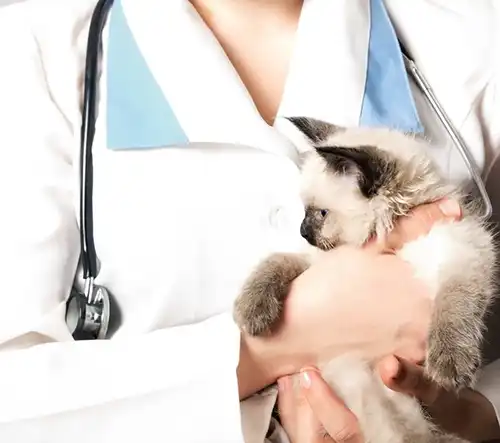



One day, your furry friend is happily playing, and the next, you’re noticing an angry-looking patch of red, irritated skin that seems to have appeared overnight. Skin problems can progress surprisingly quickly, especially when pets scratch, lick, or chew at an itchy area. At Eugene Animal Hospital, your trusted veterinary clinic in Eugene, OR, diagnosing and treating hot spots in dogs and cats is an important part of helping pets stay comfortable and healthy.
Hot spots are among the more frustrating skin conditions because they can develop rapidly and become painful quickly. Understanding the causes of itchy skin in dogs, recognizing the signs of pet skin infections, learning about hot spot treatment for pets, and knowing when to seek help from a team experienced in dog and cat dermatology can help your companion recover more comfortably and reduce the risk of recurring problems.
What Are Hot Spots?
Hot spots are areas of inflamed, infected skin that develop when repeated licking, scratching, or chewing damages the skin’s protective barrier.
The medical term for a hot spot is acute moist dermatitis. Once the skin becomes irritated, bacteria that normally live harmlessly on the skin can multiply quickly within the damaged area. Moisture trapped beneath the fur often worsens the condition, allowing inflammation to spread rapidly.
Because pets continue to scratch or lick the irritated area, what starts as a small patch of redness can become a much larger wound within a day or two.
Why Do Hot Spots Develop?
Hot spots are usually the result of an underlying problem that causes itching or discomfort.
Common triggers include:
- Flea allergies
- Environmental allergies
- Food allergies
- Insect bites
- Ear infections
- Matted fur
- Moisture trapped after swimming or bathing
- Skin injuries
- Poor grooming
- Joint pain that leads to excessive licking
Some pets are naturally more prone to skin irritation than others, particularly breeds with thick coats or underlying allergies.
Identifying the reason the skin became irritated is just as important as treating the hot spot itself.
Itchy Skin in Dogs Is a Common Trigger
Dogs develop hot spots much more frequently than cats because many breeds instinctively lick and chew irritated areas.
Seasonal allergies are one of the leading causes of itchy skin in dogs. Pollen, grasses, mold spores, and dust mites can all trigger allergic reactions that make dogs scratch persistently.
Flea allergy dermatitis is another common culprit. Surprisingly, a single flea bite can trigger intense itching in sensitive dogs, leading to significant skin damage even when only a few fleas are present.
Food allergies, parasites, ear infections, and boredom-related licking can also contribute to the development of hot spots.
Can Cats Get Hot Spots?
Yes. Although hot spots are less common in cats, they certainly can occur.
Cats often respond to itchy or painful skin by grooming excessively rather than scratching openly. Constant licking can remove fur and damage the skin, creating an environment in which infection can develop.
Your feline companion may also develop hot spots secondary to flea allergies, food allergies, environmental allergies, wounds, or skin parasites.
Because cats naturally hide discomfort, you may first notice missing fur, redness, scabs, or excessive grooming before discovering the affected area.
What Does a Hot Spot Look Like?
Hot spots are often easy to recognize once you know what to look for.
They commonly appear as:
- Bright red skin
- Moist or oozing patches
- Hair loss
- Swelling
- Crusting
- Sticky fur around the area
- A foul odor if infection develops
- Constant licking, chewing, or scratching
Some hot spots remain relatively small, while others expand rapidly if the irritation continues.
The skin is often painful to the touch, which may cause even gentle pets to react when the area is examined.
Where Do Hot Spots Usually Occur?
Hot spots can develop almost anywhere on the body, but certain locations are especially common.
Dogs frequently develop them on the neck, cheeks, chest, hips, tail base, or behind the ears. Cats often develop irritated areas around the head, neck, or areas they can easily groom.
The exact location sometimes provides clues about the underlying cause. For example, irritation near the ears may be associated with an ear infection, while irritation near the tail base is more commonly associated with flea allergy dermatitis.
Hot Spots Can Progress Quickly
One of the defining characteristics of hot spots is how rapidly they can worsen.
A small itchy area noticed in the morning may become a painful wound by evening if your furry friend continues licking or scratching. Saliva moisture keeps the skin damp, allowing bacteria to multiply and further damage healthy tissue.
This rapid progression is one reason early veterinary evaluation is helpful. Treating a small lesion is often much easier than managing a widespread skin infection.
Diagnosing the Underlying Cause
Treating the hot spot itself is only part of the solution.
Your veterinarian also works to determine why your pet developed the lesion in the first place. A thorough physical examination, medical history, and discussion about your pet’s lifestyle help narrow the list of possible causes.
Depending on the situation, additional diagnostic testing may be recommended to evaluate allergies, parasites, bacterial or yeast infections, or other skin conditions that can resemble or contribute to hot spots.
Hot Spot Treatment for Pets
Successful hot spot treatment for pets focuses on relieving discomfort, controlling infection, and preventing additional damage while addressing the underlying cause.
Your veterinarian may carefully clip the fur surrounding the affected area so the skin can be cleaned and examined more thoroughly. Although this may make the lesion appear larger at first, removing the surrounding fur improves airflow and allows medications to reach the skin more effectively.
Treatment often includes cleaning the affected area, controlling inflammation, and managing any bacterial infection that has developed. Depending on the severity of the hot spot and your pet’s overall health, oral or topical medications may be recommended.
Just as importantly, preventing continued licking and scratching allows the skin to begin healing. In some cases, an Elizabethan collar or another protective device may be recommended while the area recovers.
Caring for Your Pet at Home
Following your veterinarian’s treatment plan carefully gives your companion the best opportunity for a smooth recovery.
Keep the affected area clean and dry, and avoid allowing your pet to lick, chew, or scratch the lesion. Even a healing hot spot can quickly worsen again if irritation continues.
Monitor the area daily for changes in redness, swelling, discharge, or odor. If the lesion appears larger, becomes more painful, or your furry friend seems increasingly uncomfortable, contact your veterinary clinic promptly.
Resist the temptation to use home remedies or human skin products unless your veterinarian specifically recommends them. Some ingredients that are safe for people may not be appropriate for dogs or cats.
Can Hot Spots Be Prevented?
Although not every hot spot can be prevented, many can be avoided by addressing common triggers before they lead to skin damage.
Simple preventive habits include:
- Keeping your pet on year-round flea prevention as recommended by your veterinarian.
- Drying the coat thoroughly after swimming, bathing, or rainy walks.
- Brushing regularly to prevent mats, especially in long-haired breeds.
- Scheduling prompt treatment for ear infections or skin irritation.
- Managing allergies under veterinary guidance.
- Providing regular enrichment to reduce boredom-related licking.
Routine grooming and wellness visits also help identify skin changes before they become more serious.
Some Pets Are More Prone to Hot Spots
Certain dogs develop hot spots more frequently because of their coat type or underlying allergies.
Breeds with thick double coats, dense fur, or a history of allergic skin disease often require closer monitoring, particularly during warm or humid weather.
Cats with allergies or chronic overgrooming habits may also experience recurring skin irritation if the underlying cause is not addressed.
If your pet has experienced hot spots before, working with your veterinarian on a long-term management plan may help reduce future flare-ups.
The Role of Dog and Cat Dermatology
Skin conditions can look surprisingly similar, even when the underlying causes are very different.
A red, itchy patch could be related to allergies, parasites, fungal infections, bacterial infections, autoimmune disease, or several other medical conditions. That’s why expertise in dog and cat dermatology is valuable when diagnosing persistent or recurring skin problems.
Rather than treating only the visible lesion, your veterinarian evaluates the whole picture, including your pet’s history, lifestyle, and overall health.
Finding the underlying cause often reduces future skin problems while improving your pet’s long-term comfort.
Fun Facts About Your Pet’s Skin
The skin is the body’s largest organ and performs many important functions beyond simply covering the body.
Here are a few interesting facts:
- Healthy skin helps regulate body temperature and protects against bacteria and environmental irritants.
- Dogs have fewer sweat glands than people and primarily cool themselves through panting.
- A healthy coat helps insulate your pet from both heat and cold.
- Excessive licking can delay healing because moisture keeps damaged skin irritated.
- Many allergic skin conditions first appear as itching before any visible rash develops.
Cornell College of Veterinary Medicine wrote about hot spots in this piece. You can read more about common canine skin issues at the PetMD website.
Frequently Asked Questions
Do hot spots heal on their own?
Some very small hot spots may begin improving if your pet completely stops licking or scratching the area. However, because most pets continue irritating the lesion, hot spots often become larger and more infected without treatment.
Veterinary evaluation helps relieve discomfort, identify the underlying cause, and reduce the risk of recurring skin problems.
Are hot spots contagious?
Hot spots themselves are not contagious. They develop because of inflammation and self-trauma rather than spreading directly from one pet to another.
However, some underlying causes, such as certain parasites or infections, may affect other pets in the household. Your veterinarian can determine whether additional precautions are needed.
When should you call the veterinarian for a hot spot?
You should contact your veterinarian if the area is rapidly growing, painful, producing discharge, has an unpleasant odor, or your pet cannot stop licking or scratching it. Prompt treatment often shortens recovery time and helps prevent deeper skin infections.
Even mild-looking lesions deserve attention if they continue worsening or repeatedly return.
Schedule an Appointment at Eugene Animal Hospital in Eugene, OR
If your furry friend has developed hot spots in dogs and cats, persistent itchy skin in dogs, or other signs of pet skin infections, the team at Eugene Animal Hospital is here to help. Whether your companion needs hot spot treatment for pets or evaluation by a team experienced in dog and cat dermatology, compassionate care is just a phone call away. If you’ve been searching for a vet near me or a trusted animal hospital in Eugene, OR, contact Eugene Animal Hospital today to schedule an appointment and help your pet feel comfortable again.
This blog is intended for informational purposes only. Always consult your veterinarian for medical advice, diagnosis, and treatment recommendations that are appropriate for your pet, and follow the treatment plan provided by your veterinary team.
Do you want to find out more about our pet clinic? Our Service page is a great place to start. We offer a wide range of excellent veterinary care services. These include basics, such as Wellness and Vaccinations, Allergies and Dermatology, Dentistry and Urgent Care.



!Social Media Icons