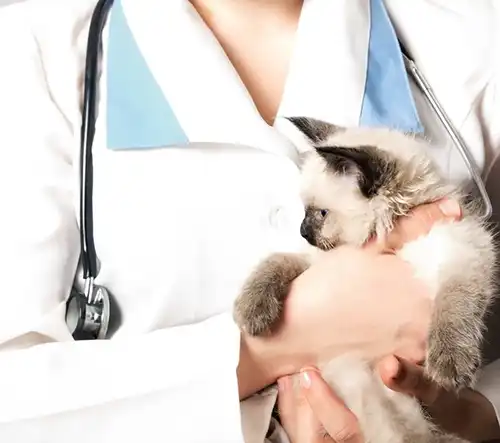



Bringing home a new kitten is exciting, entertaining, and occasionally a little chaotic. One minute, your tiny feline companion is curled up in your lap, and the next, they’re climbing curtains, squeezing behind furniture, or batting at something they definitely shouldn’t be touching. Curiosity is part of what makes kittens so much fun, but it also means your home may contain hazards you’ve never noticed before. At Eugene Animal Hospital, your trusted veterinary clinic in Eugene, OR, helping families kitten-proof their homes is one of the best ways to give young cats a safe and healthy start.
Preparing your home before your kitten arrives helps prevent accidents while allowing your newest family member to explore with confidence. Following practical kitten safety tips, learning how to kitten-proof house environments, supporting indoor kitten safety, and preparing your home for a kitten all create a safer place for your curious little explorer to grow.
Why Kittens Get Into Everything
Kittens learn about the world through exploration.
They investigate with their paws, noses, mouths, and climbing skills, often finding places you never imagined a cat could reach. Their curiosity helps them develop coordination, confidence, and important hunting behaviors, but it also means they’ll investigate cords, cabinets, houseplants, and tiny objects left on the floor.
Rather than trying to stop natural curiosity, the goal is to create an environment where exploration can happen safely.
Start at Ground Level
One of the easiest ways to identify hazards is to get down on your hands and knees and look at your home from your kitten’s perspective.
Objects that seem harmless from standing height may suddenly become very interesting to a playful kitten.
As you move through each room, look for:
- Electrical cords
- Loose strings or ribbon
- Coins, rubber bands, and hair ties
- Small children’s toys
- Plastic bags
- Open trash cans
- Medications within reach
Removing these hazards before your kitten discovers them greatly reduces the risk of accidents.
Protect Electrical Cords
Dangling cords are irresistible to many kittens.
They swing, bounce, and resemble moving toys, making them especially tempting for curious paws and sharp little teeth.
Bundle loose cords together whenever possible, keep charging cables out of reach, and block access behind televisions, entertainment centers, and desks where multiple cords gather.
Regularly inspect cords for chew marks and replace damaged ones promptly.
Watch Out for Toxic Houseplants
Many common houseplants can be harmful if chewed by cats.
Before bringing your kitten home, identify every plant inside your house and confirm whether it is safe for cats. If you’re unsure about a particular plant, it’s safest to place it well out of reach or remove it from areas your kitten can access.
Fresh flowers should also be checked carefully because some popular bouquets contain plants that are not safe for feline companions.
Secure Windows and Screens
Kittens love climbing and watching the world outside.
A sturdy window screen is helpful, but it shouldn’t be considered escape-proof. Curious kittens can push through damaged screens or climb them unexpectedly.
Keep windows securely screened, avoid leaving upper-story windows open without proper protection, and supervise your kitten around balconies whenever possible.
Providing safe window perches satisfies curiosity while reducing unnecessary risks.
Store Household Chemicals Safely
Cleaning supplies, detergents, automotive products, paints, and garden chemicals should always be stored securely in closed cabinets or on high shelves.
Never assume a bottle is safe simply because the cap is attached. Curious kittens often investigate spills or open containers before anyone notices.
Cleaning up leaks immediately and storing products promptly after use helps keep your home much safer.
Keep Small Objects Off the Floor
Kittens frequently bat tiny objects across the floor before attempting to chew or swallow them.
Hair ties, rubber bands, sewing supplies, earrings, beads, twist ties, bottle caps, and coins are common household items that can become dangerous if ingested.
Developing the habit of picking up small items at the end of each day helps reduce temptation while keeping your floors safer for everyone.
Create Safe Places to Climb
Climbing is a natural feline behavior.
Instead of trying to prevent climbing altogether, provide appropriate outlets such as cat trees, sturdy shelves, or window perches designed for cats.
Giving your kitten acceptable places to climb often reduces interest in bookshelves, curtains, and kitchen counters while providing valuable physical exercise and mental stimulation.
Hide Tempting Strings and Ribbons
Many kittens find string-like objects irresistible.
Ribbon, yarn, thread, fishing line, dental floss, curling ribbon, and elastic bands may seem like harmless toys, but they can become dangerous if swallowed. These items may cause serious intestinal problems that require prompt veterinary care.
Choose cat toys designed specifically for kittens, and always put wand toys and strings away after playtime instead of leaving them out unattended.
Give Your Kitten a Quiet, Safe Space
Moving into a new home is a big adjustment.
Setting up one quiet room for the first few days allows your kitten to become familiar with new sights, sounds, and smells without becoming overwhelmed. Include food, fresh water, a litter box, comfortable bedding, scratching surfaces, and a few toys.
As your kitten grows more confident, gradually allow access to additional rooms while continuing to supervise exploration.
Make the Litter Box Easy to Find
A litter box should be placed in a quiet, easily accessible location.
Avoid hiding it in noisy laundry rooms or areas with heavy foot traffic. Young kittens should never have to travel far to reach the litter box, especially during the first few weeks in a new home.
Keeping the litter box clean also encourages consistent use and helps establish good habits from the beginning.
Supervise Introductions to Other Pets
If your household already includes dogs, cats, or other pets, slow introductions are the safest approach.
Allow your new kitten to settle into the home before face-to-face meetings. Gradual introductions using scent exchange, supervised visits, and positive experiences help reduce stress for everyone involved.
Patience often leads to much stronger long-term relationships between pets.
Enrichment Prevents Trouble
A bored kitten is remarkably creative.
Providing plenty of enrichment gives your curious companion appropriate outlets for burning energy rather than inventing their own adventures around the house.
Excellent enrichment ideas include:
- Cat trees
- Scratching posts
- Interactive wand toys
- Puzzle feeders
- Small cat-safe balls
- Cardboard boxes
- Paper bags without handles
- Window perches
Rotate toys every few days to keep them interesting. A toy that disappears for a week often feels brand new when it returns.
Don’t Forget Regular Wellness Care
Kitten-proofing your home is only one part of keeping your new companion healthy.
Routine veterinary visits allow your kitten to receive physical examinations, vaccinations, parasite prevention, nutritional guidance, and developmental monitoring throughout the important first year of life.
These appointments are also an excellent opportunity to ask questions about behavior, nutrition, litter box training, scratching, and other aspects of kitten care.
Preventive healthcare helps your kitten get off to the healthiest possible start.
Fun Facts About Kittens
Young cats are full of fascinating behaviors.
Here are a few interesting facts:
- Kittens begin climbing surprisingly early as their coordination develops.
- Whiskers help kittens judge whether they can fit through small spaces.
- Play helps kittens practice hunting skills while improving balance and coordination.
- Cats often prefer elevated resting places because they provide a better view of their surroundings.
- Scratching is a normal behavior that helps maintain healthy claws while stretching muscles.
PetMD discusses kittenproofing your home on its site. Arm & Hammer also offers some tips and tricks on making your home safe for a kitten.
Frequently Asked Questions
How do I kitten-proof my home?
Start by removing small objects, securing electrical cords, storing medications and household chemicals safely, checking houseplants for toxicity, and providing appropriate climbing and scratching areas. Looking at your home from your kitten’s perspective helps identify hazards you may otherwise overlook.
Supervised exploration during the first few weeks also helps your kitten learn the home safely.
What are the biggest safety hazards for kittens?
Common hazards include electrical cords, toxic plants, medications, cleaning products, string-like objects, open windows, small items that can be swallowed, and unstable furniture. Preventing access to these hazards greatly reduces the risk of injury.
Providing safe alternatives for climbing, scratching, and play also helps satisfy natural curiosity.
When should my kitten have its first veterinary visit?
Your kitten should visit a veterinarian soon after coming home, even if they appear healthy. Early wellness examinations establish preventive care, evaluate overall health, discuss nutrition and behavior, and begin an appropriate vaccination and parasite prevention schedule.
These visits help support healthy growth during the first year of life.
Schedule Your Kitten’s Wellness Visit at Eugene Animal Hospital in Eugene, OR
Successfully kitten-proofing your home gives your newest family member a safe place to grow, learn, and explore. Whether you’re looking for practical kitten safety tips, learning how to kitten-proof house environments, improving indoor kitten safety, or preparing your home for a kitten, the team at Eugene Animal Hospital is here to help. If you’ve been searching for a vet near me or a trusted veterinary clinic in Eugene, OR, contact Eugene Animal Hospital today to schedule your kitten’s first wellness visit and help them start life on the right paw.
This blog is intended for informational purposes only. Always consult your veterinarian for personalized medical advice, diagnosis, and treatment recommendations for your pet, and follow the guidance provided by your veterinary healthcare team.
Do you want to find out more about our pet clinic? Our Service page is a great place to start. We offer a wide range of excellent veterinary care services. These include basics, such as Wellness and Vaccinations, Allergies and Dermatology, and Urgent Care, as well as specialized services such as Alternative Therapy.



!Social Media Icons