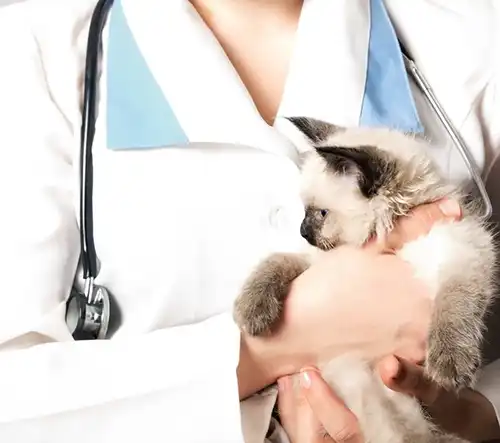



Bringing home a new exotic pet is an exciting experience, but it’s also a major adjustment for your new companion. Everything is unfamiliar, from the sights and sounds of your home to the people, smells, and daily routines. Building trust takes patience, consistency, and an understanding of your pet’s instincts. At Eugene Animal Hospital, your trusted veterinary clinic in Cottage Grove, OR, helping families navigate the care of new exotic pets is one of the best ways to start every human-animal relationship on the right foot.
Whether you’ve welcomed a rabbit, Guinea pig, ferret, bird, reptile, or another unique companion into your family, trust develops gradually. Learning about bonding with an exotic pet, understanding the process of taming a new one, helping exotic pets adjust to their surroundings, and recognizing normal behaviors through practical tips on exotic pet behavior can create a calmer, happier experience for everyone involved.
Every Exotic Pet Adjusts at Its Own Pace
One of the biggest misconceptions about exotic pets is that they should become comfortable immediately.
In reality, many species are naturally cautious because they are prey animals. In the wild, hesitation helps them avoid danger. Even captive-bred exotic pets often retain those instincts, making unfamiliar environments feel overwhelming at first.
Some pets begin exploring within hours, while others may need several days or even weeks before they feel completely comfortable.
Allowing your companion to move at their own pace builds confidence and lays the foundation for long-term trust.
Give Your Pet Time to Settle In
The first few days after arriving home should be as calm as possible.
Avoid frequent handling or immediate introduction of your new companion to multiple family members. Instead, allow them to become familiar with their enclosure, locate food and water, and observe their new surroundings from a safe distance.
Resist the temptation to constantly check on them. Quiet observation often helps shy animals gain confidence more quickly than repeated interaction.
Remember that curiosity usually replaces caution once your pet begins feeling secure.
Create a Comfortable Habitat Before Arrival
Trust begins with a safe environment.
Your pet’s enclosure should already be fully prepared before they arrive home. Food, water, bedding, hiding places, climbing structures, temperature control, and species-appropriate enrichment should all be in place.
A well-designed habitat allows your companion to retreat whenever they feel uncertain while still encouraging natural exploration.
Providing multiple hiding places is especially valuable for prey species such as rabbits and Guinea pigs because it gives them control over their surroundings.
Establish a Predictable Routine
Animals often feel more secure when life becomes predictable.
Try feeding, cleaning, and interacting with your exotic pet at approximately the same times each day. Familiar routines help reduce stress because your companion learns what to expect.
Many exotic pets begin anticipating meals, playtime, or social interaction once they recognize daily patterns.
Consistency builds confidence far more effectively than unpredictable schedules.
Let Your Pet Make the First Move
One of the fastest ways to build trust is by allowing your pet to approach you voluntarily.
Instead of reaching into the enclosure immediately, sit nearby and speak softly. Place your hand inside without touching your companion so that they can investigate at their own pace.
Curiosity often leads animals to sniff, observe, and eventually approach on their own.
These initial voluntary interactions serve as important building blocks for future handling sessions.
Use Food to Create Positive Associations
Many exotic pets quickly learn to associate people with positive experiences.
Offering appropriate treats recommended by your veterinarian or simply hand-feeding part of a regular meal can encourage your companion to approach more confidently.
Move slowly and avoid sudden movements while offering food. Your goal is not to force interaction but to create pleasant experiences that help your pet feel safe.
Over time, your presence becomes associated with comfort rather than uncertainty.
Learn Your Pet’s Body Language
Understanding body language is one of the most valuable skills any exotic pet owner can develop.
Different species communicate in different ways, but many display recognizable signs of comfort or stress.
Relaxed animals may explore, groom themselves, eat normally, and investigate new objects. Stressed animals often hide, freeze, breathe rapidly, vocalize differently, or avoid interaction.
Watching these subtle signals helps you know when your companion is ready for more interaction and when they need additional time to adjust.
Gentle Handling Builds Confidence
When your pet begins approaching comfortably, you can gradually introduce gentle handling.
Keep early sessions short and calm. Support your companion’s body appropriately for their species’ needs, and avoid sudden lifting or restraint whenever possible.
Ending each interaction before your pet becomes anxious helps build positive memories instead of fearful ones.
Several short handling sessions throughout the week often produce better results than occasional lengthy sessions.
Bonding Looks Different for Every Species
A rabbit expresses trust differently than a ferret, and a bearded dragon communicates differently than a cockatiel.
Some species enjoy sitting quietly beside you, while others prefer active play or simply feeling comfortable exploring nearby.
Successful bonding isn’t measured by how cuddly your pet becomes. It’s measured by growing confidence, reduced stress, and the willingness to interact naturally in ways that fit their species and personality.
Helping Exotic Pets Adjust to a New Home
Moving to a new home is one of the biggest changes your exotic pet will experience.
Everything is unfamiliar, including new sounds, different lighting, unfamiliar scents, and household activity. During this adjustment period, avoid making unnecessary changes to the enclosure or daily routine unless they are needed for your pet’s health or safety.
Allow your companion to establish predictable habits before introducing new toys, different cage layouts, or additional family members. Stability builds confidence, and confidence encourages trust.
Common Mistakes That Slow the Bonding Process
Every pet owner is eager to build a relationship with a new companion, but moving too quickly can have the opposite effect.
Some common mistakes include:
- Handling the pet too often during the first few days.
- Reaching into hiding places to force interaction.
- Making loud noises around the enclosure.
- Changing the habitat repeatedly.
- Expecting immediate affection.
- Ignoring body language that signals fear or stress.
Patience is one of the greatest gifts you can offer a new exotic pet. Trust develops over time through positive, predictable experiences.
Enrichment Encourages Confidence
Once your pet begins to feel more comfortable, enrichment is an excellent way to encourage exploration and natural behaviors.
Species-appropriate enrichment may include tunnels, climbing opportunities, chew toys, puzzle feeders, foraging activities, safe branches, or supervised exploration outside the enclosure when appropriate.
Introducing one new enrichment item at a time allows your companion to investigate without becoming overwhelmed.
Watching your pet confidently explore something new is often one of the first signs that they are settling into their new home.
Children and New Exotic Pets
Children often become excited when a new pet joins the family, but slower introductions usually lead to better long-term relationships.
Teach children to speak quietly, move slowly, and allow the pet to approach first. Chasing, grabbing, or repeatedly picking up an unfamiliar animal can increase fear and delay bonding.
Encouraging children to help with feeding, observation, or preparing enrichment activities gives them opportunities to participate while respecting the pet’s comfort level.
Positive early experiences help build trust on both sides.
Routine Veterinary Care Supports a Healthy Start
One of the best ways to begin your new exotic pet’s life in your home is with a wellness examination.
Routine veterinary visits provide an opportunity to evaluate your companion’s overall health, discuss species-specific nutrition, review housing recommendations, and answer questions about behavior or handling.
These visits also establish a medical history that becomes valuable throughout your pet’s life and help identify subtle health concerns before they become more serious.
Preventive care is especially important because many exotic species instinctively hide signs of illness.
Fun Facts About Bonding With Exotic Pets
Building trust can be one of the most rewarding parts of exotic pet ownership.
Here are a few interesting facts:
- Many rabbits gently nudge trusted people to ask for attention.
- Guinea pigs often greet familiar caregivers with excited whistles when they hear food being prepared.
- Ferrets commonly recognize familiar voices and routines over time.
- Some reptiles learn to associate gentle handling with positive experiences and become increasingly relaxed during interaction.
- Birds often develop strong social bonds through regular, calm daily interaction.
Every species expresses trust differently, making the bonding process unique and rewarding.
Texas A&M has an article on ethical exotic pet ownership. The RSPCA also has a good piece on owning and caring for exotic pets.
Frequently Asked Questions
How long does it take for a new exotic pet to trust you?
Every animal is different. Some exotic pets begin to feel comfortable within a few days, while others may need several weeks or longer. Patience, consistency, and gentle interaction help build trust much more effectively than trying to speed up the process.
Allowing your pet to approach you voluntarily often creates stronger long-term confidence than frequent handling during the adjustment period.
Should I handle my new exotic pet every day?
Handling should be introduced gradually and always at your pet’s comfort level. During the first few days, quiet observation may be more beneficial than frequent handling. As your companion becomes more confident, short, positive interactions help strengthen your relationship.
Pay attention to body language and allow your pet to set the pace whenever possible.
When should my new exotic pet see a veterinarian?
A wellness examination is recommended soon after bringing home a new exotic pet, even if they appear healthy. Preventive visits allow your veterinarian to assess overall health, discuss nutrition and housing, answer care questions, and establish a medical history for future care.
Early veterinary guidance helps create a healthy foundation from the very beginning.
Schedule a Wellness Visit at Eugene Animal Hospital in Cottage Grove, OR
Starting with excellent new exotic pet care helps your companion feel safe, healthy, and confident in their new home. Whether you’re bonding with an exotic pet, taming a new exotic pet, helping exotic pets adjust, or looking for practical exotic pet behavior tips, the team at Eugene Animal Hospital is here to help. If you’ve been searching for a vet near me or an experienced veterinary clinic in Cottage Grove, OR, contact Eugene Animal Hospital today to schedule your new pet’s wellness examination and begin your journey together with confidence.
This blog is intended for informational purposes only. Always consult your veterinarian for the appropriate medical advice, diagnosis, and treatment recommendations for your pet, and follow the guidance provided by your veterinary healthcare team.
Do you want to find out more about our pet clinic? Our Service page is a great place to start. We offer a wide range of excellent veterinary care services. These include basics, such as Wellness and Vaccinations, Allergies and Dermatology, Dentistry and Urgent Care, as well as specialized services such as Alternative Therapy.



!Social Media Icons