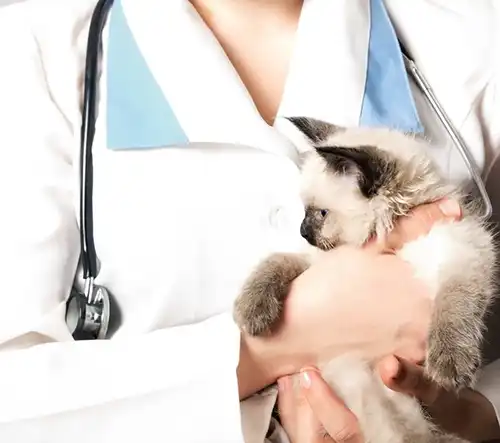



Has your furry friend been scratching nonstop, dealing with recurring ear infections, or struggling with stomach troubles that never seem to completely go away? Allergies could be to blame. While seasonal allergies often come to mind first, food allergies in pets can also cause frustrating symptoms that affect your pet’s comfort and quality of life. At Eugene Animal Hospital, your trusted veterinary clinic in Eugene, OR, helping families recognize and manage food allergies in pets is an important part of keeping dogs, cats, and other companion animals healthy throughout every stage of life.
Food allergies can develop at almost any age, even if your four-legged friend has eaten the same diet for years. Learning to recognize the symptoms of food allergies in dogs and understanding food allergies in cats can help you seek veterinary care sooner and find an appropriate pet food allergy treatment. Working with a veterinarian for pet allergies allows you to identify the cause of ongoing skin or digestive problems and develop a management plan that helps your companion feel more comfortable.
Understanding Food Allergies in Pets
A food allergy occurs when the immune system mistakenly reacts to a particular ingredient as though it were harmful. Instead of ignoring a harmless protein, the body creates an immune response that can lead to inflammation, itching, digestive upset, and other symptoms.
Food allergies are different from food intolerances. A food intolerance generally affects digestion without involving the immune system. For example, a pet may have diarrhea after eating a certain ingredient because it is difficult to digest. At the same time, a food allergy triggers an immune response that can affect the skin, ears, digestive tract, or several body systems at once.
Dogs and cats are most likely to develop allergies to proteins they have eaten repeatedly over time. Beef, chicken, dairy products, eggs, fish, and certain grains have all been associated with allergic reactions, although almost any ingredient can cause a problem.
What Causes Food Allergies?
Researchers continue to study exactly why some pets develop food allergies while others never experience them. Genetics appear to play a role, but environmental factors and immune system changes also contribute.
Repeated exposure to a specific protein over several years may increase the likelihood of developing an allergy. That explains why an adult dog or cat may suddenly react to a food they have enjoyed for a long time.
Some pets also experience more than one type of allergy. A dog may have food allergies, seasonal pollen allergies, or flea allergy dermatitis. When multiple allergies occur together, symptoms can become more noticeable during certain times of the year.
Symptoms of Food Allergies in Dogs
The symptoms of food allergies in dogs often affect the skin, but digestive problems are also common. Some signs develop gradually, making them easy to overlook at first.
Your canine companion may experience:
- Constant scratching
- Chewing or licking the paws
- Recurrent ear infections
- Red or inflamed skin
- Hair loss
- Hot spots
- Vomiting
- Diarrhea
- Frequent gas
- Chronic skin infections
Some dogs become so focused on scratching that they interrupt their own sleep. Others develop thickened skin or dark pigmentation in areas that have remained inflamed for months.
Recurring ear infections deserve special attention because they are one of the classic symptoms associated with food allergies. If infections continue returning despite treatment, an allergy evaluation may be recommended.
Food Allergies in Cats
Food allergies in cats can look somewhat different from those in dogs, although itching remains one of the most common complaints.
Your feline friend may develop:
- Excessive grooming
- Hair loss
- Scabs around the head or neck
- Ear inflammation
- Itchy skin
- Vomiting
- Diarrhea
- Changes in coat quality
Cats are experts at hiding discomfort. Instead of scratching openly, your feline companion may quietly overgroom until bald patches appear. Some kitties also become less interested in play because they simply do not feel well.
Because cats can develop skin infections secondary to excessive grooming, veterinary evaluation is helpful before the problem becomes more difficult to manage.
Could Something Else Be Causing the Problem?
Food allergies are only one possible explanation for itchy skin or digestive issues. Fleas, mites, bacterial infections, yeast infections, environmental allergies, hormonal disorders, and certain autoimmune diseases can produce similar signs.
That is why diagnosing allergies involves more than changing foods at home. A complete physical examination, medical history, and discussion of symptoms help narrow the list of possible causes.
Sometimes additional diagnostic tests are recommended to rule out parasites, infections, or other medical conditions before beginning a food trial.
How Veterinarians Diagnose Food Allergies
Unlike seasonal allergies, there is currently no simple blood test that can reliably diagnose food allergies in pets.
The most accurate diagnostic tool remains a carefully planned elimination diet trial.
During this process, your veterinarian recommends a specialized diet containing ingredients your companion has never eaten before or a prescription hydrolyzed protein diet. Every other food source must be eliminated during the trial, including flavored medications, table scraps, treats, dental chews, and food shared by other pets in the household.
Consistency is critical. Even a small bite of another food can interfere with results and make it more difficult to determine whether an allergy is truly present.
Most elimination trials continue for several weeks before enough improvement occurs to evaluate the results confidently.
What Pet Food Allergy Treatment Looks Like
Once an elimination diet identifies the offending ingredient, the next step is creating a long-term nutrition plan. Pet food allergy treatment focuses on avoiding ingredients that trigger an immune response while providing complete, balanced nutrition for your furry friend.
Every pet responds a little differently. Some dogs and cats thrive on a limited-ingredient diet, while others benefit from a prescription diet containing hydrolyzed protein. These proteins are broken into pieces so small that the immune system is less likely to recognize them as allergens.
Changing foods too quickly can upset the digestive tract, so gradual transitions are usually recommended unless your veterinarian advises otherwise. Following the recommended feeding plan closely gives your companion the best opportunity to feel better and helps prevent accidental flare-ups.
Managing Life With a Food-Allergic Pet
Living with food allergies does not mean your four-legged buddy has to miss out on treats, enrichment, or family activities. It simply means becoming a careful label reader and maintaining consistency.
Simple habits can make a big difference, including:
- Reading ingredient lists before offering new treats or chews.
- Ask family members and visitors not to share food at the table.
- Keeping different pets’ food separate if only one animal has allergies.
- Watch for changes after introducing any new food or supplement.
- Scheduling regular veterinary checkups to monitor skin, ears, weight, and overall health.
Many pets improve dramatically once the triggering ingredient is removed from their diet. Skin inflammation gradually settles down, ear infections become less frequent, and digestive problems often become much easier to manage.
Can Food Allergies Be Prevented?
There is no proven way to completely prevent food allergies from developing. Because genetics and immune responses both play a role, some animals are simply more likely to develop allergies than others.
Offering a complete, balanced diet throughout life supports pets’ overall health, but changing foods frequently or rotating ingredients has not been shown to prevent allergies. Instead, the focus should remain on recognizing problems early and working with your veterinary team if symptoms appear.
Routine wellness visits also help identify subtle skin or ear changes before they become more serious. Early intervention often means your furry bestie spends less time feeling uncomfortable.
When Should You Schedule a Veterinary Visit?
Occasional itching is perfectly normal. Persistent itching that interrupts sleep, frequent ear infections, chronic vomiting, diarrhea, or repeated skin infections deserve medical attention.
Prompt evaluation is especially helpful if symptoms continue despite flea prevention or routine care. Since several conditions can mimic food allergies, identifying the correct cause helps avoid unnecessary diet changes and gets your companion on the right treatment plan sooner.
A thorough examination allows your veterinarian to evaluate your pet’s skin, ears, coat, weight, digestive health, and medical history before recommending the next steps.
Fun Facts About Food Allergies
Food allergies have been studied extensively in companion animals, and researchers continue learning more every year. A few interesting facts include:
- Dogs usually develop food allergies after eating the same protein for an extended period rather than after trying something new.
- Skin problems are often the first sign of a food allergy, even though the allergen is being eaten.
- Cats can develop food allergies just as dogs can, although they may show more grooming behavior than scratching.
- Ear infections that keep returning can sometimes point toward an underlying food allergy.
- An elimination diet remains the most reliable way to diagnose food allergies in pets.
You can read more about seasonal allergies in pets at the Animal Humane Society website. Purdue College of Veterinary Medicine has some helpful information about pet allergies on its website.
Frequently Asked Questions
Can food allergies appear suddenly in pets?
Yes. Food allergies can develop after months or even years of eating the same diet. The immune system may eventually begin reacting to a specific ingredient, causing itching, ear infections, digestive upset, or skin inflammation.
Although the symptoms may seem to appear overnight, the allergy often develops gradually. A veterinary examination and an elimination diet can help determine whether food is responsible or if another condition is causing similar signs.
What is the most common sign of a food allergy?
Persistent itching is one of the most common signs of food allergies in pets. Many animals also experience recurring ear infections, excessive licking, skin irritation, vomiting, or diarrhea.
Because these symptoms overlap with fleas, environmental allergies, parasites, and skin infections, a veterinary evaluation is the best way to identify the underlying cause and recommend appropriate treatment.
Can food allergies be cured?
Food allergies cannot usually be cured, but they can often be managed successfully by avoiding the ingredient that triggers the immune response. Many pets enjoy comfortable, active lives once an appropriate diet is established.
Following your veterinarian’s recommendations and avoiding accidental exposure to problem ingredients helps reduce flare-ups and supports long-term health.
Schedule an Appointment at Eugene Animal Hospital in Eugene, OR
If your furry friend has persistent itching, recurring ear infections, digestive problems, or other signs that could be linked to food allergies in pets, the team at Eugene Animal Hospital is here to help. A thorough examination and personalized diagnostic plan can uncover the cause of your companion’s discomfort and guide you toward effective management. If you’ve been searching online for a vet near me or a trusted veterinary clinic in Eugene, OR, contact Eugene Animal Hospital today to schedule an appointment and help your pet feel more comfortable again.
This blog is intended for informational purposes only and should not replace professional veterinary advice. Always consult your veterinarian for the appropriate diagnosis, treatment, and healthcare recommendations for your pet.
Do you want to find out more about our pet clinic? Our Service page is a great place to start. We offer a wide range of excellent veterinary care services. These include basics, such as Wellness and Vaccinations, Allergies and Dermatology, and more.



!Social Media Icons