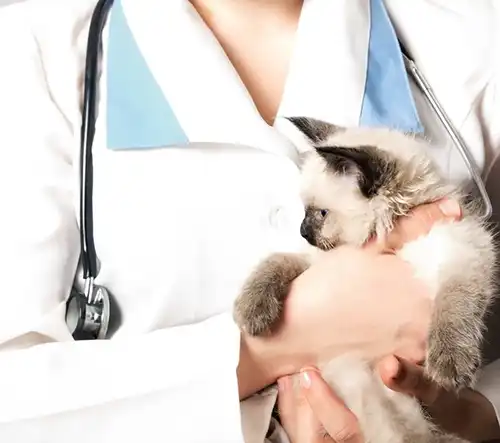



Those large eyes, tiny hands, and impressive gliding abilities make sugar gliders some of the most fascinating companion animals you can welcome into your home. These social marsupials are intelligent, curious, and incredibly active, but they also have specialized needs that differ greatly from those of dogs, cats, rabbits, and other small pets. At Eugene Animal Hospital, your trusted veterinary clinic in Eugene, OR, helping families understand proper sugar glider care is an important part of supporting the health and happiness of these unique companions.
Successfully caring for a sugar glider begins with understanding how they live in the wild and adapting those instincts to a home environment. Proper nutrition, a balanced sugar glider diet, daily enrichment, and routine visits with an exotic pet veterinarian all contribute to lifelong health. Whether you’ve recently adopted your first sugar glider or you’re looking for new sugar glider health tips, building healthy routines from the beginning helps your tiny companion thrive.
Understanding Your Sugar Glider’s Natural Behavior
Sugar gliders are native to Australia, Indonesia, and parts of Papua New Guinea, where they spend much of their lives in trees. Their large eyes help them navigate at night, while a thin membrane stretching between their front and back legs allows them to glide gracefully from branch to branch.
These remarkable marsupials are highly social and naturally live in family groups. They communicate through vocalizations, scent marking, grooming, and close physical contact with one another.
Understanding these instincts helps explain why companionship, climbing opportunities, and mental stimulation are so important in captivity.
Housing That Encourages Natural Behaviors
One of the biggest gifts you can give your sugar glider is an environment that encourages climbing, exploring, and gliding as much as possible.
Tall enclosures are generally more beneficial than wide ones because sugar gliders naturally spend their time moving vertically through trees. The enclosure should provide plenty of room for climbing, jumping, and exploring.
Inside the habitat, there are a variety of branches, ropes, ladders, shelves, hammocks, and sleeping pouches. Rotating enrichment items periodically helps keep the environment interesting without creating unnecessary stress.
Position the enclosure in a quiet area away from direct sunlight, drafts, and loud household activity so your furry little friend has opportunities to rest during daylight hours.
Social Animals Need Social Time
Sugar gliders rarely thrive when left alone for long periods.
Because they naturally live in colonies, many benefit from having another compatible sugar glider companion. When that is not possible, regular interaction with you becomes even more important.
Gentle handling, supervised bonding time, and daily interaction help build trust over time. Patience is key because newly adopted sugar gliders may need several weeks before they feel completely comfortable in a new environment.
Allow your tiny companion to approach you at their own pace rather than forcing interaction.
Understanding a Healthy Sugar Glider Diet
Nutrition plays one of the biggest roles in long-term health.
A balanced sugar glider diet includes appropriate sources of protein along with carefully selected fruits, vegetables, and other foods recommended by your exotic pet veterinarian. Because sugar gliders have specialized nutritional needs, feeding an incomplete or unbalanced diet can lead to serious health problems over time.
Fresh water should always be available, and food should be replaced regularly to maintain freshness.
Rather than offering random treats, follow a veterinarian-approved feeding plan that provides complete nutrition while matching your sugar glider’s age and activity level.
Exercise Keeps Sugar Gliders Healthy
Sugar gliders may be small, but they are incredibly athletic.
Daily opportunities for climbing, gliding, jumping, and exploring support healthy muscles, joints, coordination, and mental stimulation.
Large climbing branches, safe ropes, platforms, and supervised out-of-enclosure exploration all encourage natural movement. Because these marsupials are primarily active in the evening and at night, many families enjoy interacting with them after sunset, when they are naturally awake.
Occasionally, providing new climbing routes and rearranging enrichment items also keeps your companion mentally engaged.
Mental Enrichment Prevents Boredom
Intelligent animals need opportunities to solve problems and investigate new experiences.
Simple enrichment can include hiding small portions of food in safe foraging toys, rotating climbing structures, introducing new scents approved by your veterinarian, or changing the arrangement of branches and hammocks.
The goal is not to overwhelm your sugar glider with constant change but to provide enough variety to encourage curiosity and natural exploration.
A mentally stimulated sugar glider is often more active, confident, and engaged with its environment.
Grooming and Routine Health Checks
Sugar gliders spend a considerable amount of time grooming themselves and their companions. Although they generally require very little assistance with grooming, routine observation remains an important part of good health care.
During gentle handling sessions, take a few moments to look for changes in the eyes, ears, skin, fur, nails, and body condition. Becoming familiar with what is normal makes it easier to notice changes that deserve veterinary attention.
Regular weight monitoring can also be valuable because small changes may be easier to detect on a scale than by appearance alone.
Routine Veterinary Care Supports Lifelong Health
Scheduling wellness visits with an experienced exotic pet veterinarian ensures your sugar glider receives preventive care at every stage of life.
Routine examinations include evaluation of body condition, skin, fur, teeth, eyes, ears, mobility, and overall health. Your veterinarian can also discuss nutrition, housing, behavior, and enrichment while answering questions specific to your companion’s lifestyle.
Establishing a relationship with a veterinarian before illness develops provides peace of mind and creates a valuable medical history for future care.
Common Health Concerns in Sugar Gliders
Like many exotic pets, sugar gliders are skilled at hiding signs of illness. By the time obvious symptoms appear, a medical condition may already be fairly advanced. Paying attention to subtle changes in your companion’s daily habits helps you recognize problems sooner.
Watch for changes such as:
- Reduced appetite
- Weight loss
- Difficulty climbing or gliding
- Lethargy
- Hair loss or changes in coat quality
- Labored breathing
- Diarrhea
- Unusual swelling
- Changes in behavior or vocalization
If your sugar glider suddenly becomes less active or no longer shows interest in climbing and exploring, it’s time to schedule a veterinary examination.
Creating a Safe Environment
Sugar gliders are natural explorers with remarkable climbing abilities. For these guys, safety begins with carefully preparing both their enclosure and any supervised play areas.
Avoid leaving small openings where your sugar glider could escape. Keep electrical cords, toxic houseplants, candles, ceiling fans, and other household hazards well out of reach during supervised playtime.
Because these tiny marsupials can squeeze through surprisingly small spaces, it’s a good idea to inspect rooms carefully before allowing out-of-cage exploration.
A calm, predictable environment also helps reduce stress and encourages confident behavior.
Building Trust Takes Time
Some sugar gliders bond with their families quickly, while others need weeks or even months before they feel completely comfortable.
Allow your little companion to set the pace. Speaking softly, offering gentle interaction, and maintaining a consistent routine all help build trust.
Many owners enjoy carrying their sugar glider in a bonding pouch during quiet activities around the house. This allows your pet to become familiar with your scent and voice while feeling safe and secure.
Patience almost always yields better results than rushing the bonding process.
Seasonal Considerations
Even though sugar gliders live indoors, seasonal changes can still influence their environment.
During warmer months, avoid exposing your companion to excessive heat or direct sunlight. High temperatures can quickly become dangerous for these small animals.
In cooler weather, maintain a comfortable room temperature and provide soft sleeping pouches or fleece blankets where your sugar glider can stay warm while resting during the day.
Keeping the enclosure away from drafts and sudden temperature fluctuations supports year-round comfort.
Daily Care Makes a Big Difference
Good sugar glider care is built on consistent daily habits rather than complicated routines.
Providing fresh food and water, cleaning food dishes, checking the enclosure for safety, removing soiled bedding, and spending time interacting with your companion all contribute to better physical and emotional health.
Routine also reduces stress. Sugar gliders generally feel more comfortable when feeding, playtime, and quiet periods occur on a predictable schedule.
Small daily efforts often have a lasting impact over the course of your pet’s life.
Fun Facts About Sugar Gliders
These fascinating marsupials have several unique characteristics that set them apart from almost any other companion animal.
Here are a few interesting facts:
- Sugar gliders are marsupials, meaning mothers carry their developing babies in a pouch.
- Their gliding membrane, called a patagium, allows them to glide impressive distances between trees in the wild.
- Large eyes provide excellent night vision because they are naturally nocturnal.
- Sugar gliders use scent glands and vocalizations to communicate with members of their colony.
- They are highly intelligent and enjoy exploring new environments, solving simple problems, and interacting with trusted companions.
You can read more about sugar glider care at the PetMD website. NC State Veterinary Hospital also has a great article on sugar glider care.
Frequently Asked Questions
What should a healthy sugar glider eat?
A healthy sugar glider diet includes appropriate protein sources along with carefully selected fruits, vegetables, and other foods recommended by an exotic pet veterinarian. Fresh water should always be available, and meals should be balanced to support long-term health.
Because sugar gliders have specialized nutritional requirements, feeding an incomplete diet may contribute to nutritional deficiencies and other medical concerns over time.
Can sugar gliders live alone?
Sugar gliders are naturally social animals and generally benefit from companionship. Many thrive when housed with another compatible sugar glider, while those living alone require significantly more daily interaction with their human family.
Providing regular socialization, enrichment, and mental stimulation helps support emotional well-being regardless of housing arrangements.
How often should a sugar glider visit the veterinarian?
Routine wellness examinations are recommended even when your sugar glider appears healthy. Preventive visits allow your veterinarian to monitor body condition, nutrition, behavior, and overall health while identifying subtle concerns before they become more serious.
Establishing care with an experienced exotic veterinarian also provides valuable guidance throughout every stage of your companion’s life.
Schedule a Wellness Visit at Eugene Animal Hospital in Eugene, OR
Providing excellent sugar glider care means supporting your tiny companion with proper nutrition, enrichment, daily interaction, and routine veterinary care. Whether you’re learning more about caring for a sugar glider, improving your sugar glider diet, or looking for additional sugar glider health tips, the team at Eugene Animal Hospital is here to help. If you’ve been searching for a vet near me or an experienced exotic pet veterinarian in Eugene, OR, contact Eugene Animal Hospital today to schedule your sugar glider’s next wellness examination.
This blog is intended for informational purposes only. Always consult your veterinarian for medical advice, diagnosis, and treatment recommendations that are appropriate for your pet, and follow the guidance provided by your veterinary team.
Do you want to find out more about our pet clinic? Our Service page is a great place to start. We offer a wide range of excellent veterinary care services. These include basics, such as Wellness and Vaccinations, Dentistry and Urgent Care, as well as specialized services such as Alternative Therapy.



!Social Media Icons