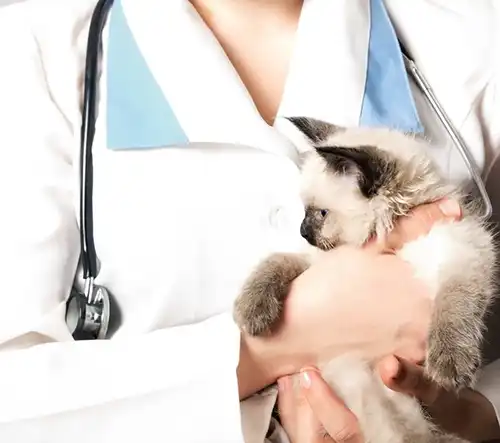



Pets have an amazing ability to hide pain and illness, which is one reason seemingly small changes can quickly become something more serious. Knowing when a problem can wait until a routine appointment and when it calls for urgent pet care helps protect your furry friend from complications. At Eugene Animal Hospital, your trusted veterinary clinic in Eugene, OR, recognizing medical emergencies is an important part of keeping pets healthy and safe.
Not every limp, upset stomach, or scratch requires immediate treatment, but some symptoms should never be ignored. Learning the signs your pet needs emergency care, understanding when to take your pet to the vet, and recognizing situations that require urgent veterinary care can help you act confidently when every minute counts. Knowing where to find veterinary urgent care near me before an emergency happens can also reduce stress during an already emotional situation.
What Is Pet Urgent Care?
Pet urgent care bridges the gap between routine veterinary appointments and life-threatening emergencies. These are situations that require prompt medical attention but may not always require a specialty emergency hospital.
Urgent care addresses illnesses and injuries that could worsen without timely treatment. Receiving care sooner often improves comfort, supports recovery, and may prevent a condition from worsening.
Trusting your instincts is important. If your furry pal is acting dramatically differently than normal, contacting your veterinarian is always a good first step.
1. Difficulty Breathing
Breathing problems should always be treated seriously.
Dogs and cats naturally breathe quietly and comfortably while resting. If your companion is struggling to breathe, breathing through the mouth, making unusual respiratory noises, extending the neck, or showing blue or pale gums, immediate veterinary evaluation is needed.
Breathing difficulty may result from heart disease, allergic reactions, pneumonia, trauma, airway obstruction, or several other medical conditions. Because oxygen is essential for every organ, delays can quickly become dangerous.
Keep your pet as calm as possible during transport, as excitement can increase breathing effort.
2. Repeated Vomiting or Severe Diarrhea
An isolated episode of vomiting may not always require urgent care, but repeated vomiting, severe diarrhea, or both occurring together deserve prompt attention.
Frequent gastrointestinal upset can lead to dehydration, electrolyte imbalances, and weakness. It may also indicate intestinal blockages, toxin exposure, pancreatitis, infections, or other serious illnesses.
Puppies, kittens, senior pets, and smaller animals become dehydrated more quickly than healthy adult pets, making timely evaluation especially important.
Watch for additional warning signs such as blood in the vomit or stool, abdominal pain, collapse, or refusal to drink water.
3. Sudden Collapse or Extreme Weakness
Few situations are more alarming than watching your pet suddenly collapse.
Collapse may occur because of heart disease, internal bleeding, severe pain, poisoning, neurological disease, heatstroke, low blood sugar, or other medical emergencies. Even if your companion seems to recover after a brief episode, veterinary evaluation should not be delayed.
Weakness can sometimes appear more subtle. Your canine buddy may struggle to stand, stumble repeatedly, or seem unable to support their own weight. Your feline companion may hide, refuse to move, or become unusually quiet.
These changes should always be taken seriously.
4. Injuries From Trauma
Falls, vehicle accidents, animal attacks, or other traumatic injuries deserve prompt medical attention, even if your pet appears relatively normal afterward.
Adrenaline can temporarily hide pain, allowing pets to continue walking despite broken bones or internal injuries. Bleeding beneath the skin or inside the chest or abdomen may not become obvious immediately.
External wounds also require careful evaluation because they may involve deeper tissue than they appear.
Keeping your companion as still as possible during transport helps reduce the risk of further injury.
5. Trouble Urinating
Difficulty urinating is one of the most urgent conditions affecting both dogs and cats, particularly male cats.
Repeated trips to the litter box without producing urine, straining, vocalizing while attempting to urinate, blood in the urine, or frequent unsuccessful attempts should never be ignored.
Urinary obstruction prevents waste products from leaving the body and can quickly become life-threatening. Early treatment greatly improves the outlook and helps relieve significant discomfort.
Changes in urination deserve prompt veterinary evaluation, even when the cause is not a complete blockage.
6. Seizures or Sudden Neurological Changes
Watching your furry bestie experience a seizure can be frightening.
During a seizure, pets may lose consciousness, paddle their legs, drool excessively, urinate, vocalize, or become temporarily disoriented afterward. Keep the surrounding area safe by moving nearby objects away, but avoid placing your hands near your pet’s mouth.
Sudden loss of balance, walking in circles, head tilting, inability to stand, or dramatic changes in behavior also indicate neurological problems that should be evaluated as soon as possible.
Not every seizure has the same cause, making veterinary examination an important part of determining appropriate treatment.
7. Suspected Poisoning
Pets explore the world with their noses and mouths, making accidental poisoning a real concern. Foods, medications, household cleaners, toxic plants, automotive fluids, and certain outdoor products can all pose serious risks.
If you suspect your furry friend has swallowed something toxic, do not wait for symptoms to appear. Some toxins begin causing internal damage long before outward signs develop.
Bring any packaging, labels, or information about the suspected toxin with you if possible. This helps your veterinarian determine the most appropriate treatment more quickly.
Other Warning Signs That Shouldn’t Be Ignored
Not every urgent medical problem fits neatly into one category. Some symptoms may seem minor at first, but can indicate a developing emergency.
Seek prompt veterinary attention if your pet experiences:
- Severe bleeding that doesn’t stop with gentle pressure
- Pale, white, blue, or gray gums
- A swollen or painful abdomen
- Eye injuries or sudden vision loss
- Heatstroke or severe overheating
- Difficulty giving birth
- Persistent crying or signs of intense pain
- Sudden inability to walk
- A known snake bite or significant insect sting with swelling
These situations can worsen rapidly, making timely evaluation especially important.
What To Do While Traveling to the Veterinary Clinic
Staying as calm as possible helps both you and your pet. Although emergencies are stressful, taking a few simple steps during transportation can improve safety.
If your dog or cat can walk, use a secure leash or carrier before leaving home. Injured or frightened pets may react unpredictably, even if they are normally calm and affectionate.
Covering cats and small pets with a light towel while placing them into a carrier may reduce stress. Larger dogs may benefit from a blanket used as a stretcher if they cannot comfortably stand.
Calling the veterinary clinic before arriving allows the team to prepare for your pet’s condition and provide guidance while you’re on the way.
Situations That May Be Able to Wait
Not every health concern requires the same-day care. Minor skin irritation, small cuts that are no longer bleeding, occasional sneezing, or a broken nail without persistent bleeding can often wait for the next available appointment.
That said, it is always appropriate to contact your veterinary clinic if you are unsure. Describing your pet’s symptoms helps the veterinary team determine whether your companion should be seen immediately or if a scheduled appointment is appropriate.
When in doubt, it is safer to ask than to assume everything is fine.
Preparing Before an Emergency Happens
Emergencies are never convenient, but a little planning can make them much less overwhelming.
Keep your veterinarian’s phone number in your contacts and know the location of the nearest emergency veterinary hospital in case after-hours care becomes necessary.
Maintaining an updated list of medications, medical conditions, allergies, and vaccination history can also save valuable time during urgent situations.
Having a pet first aid kit, extra towels, a leash, and a sturdy carrier readily available provides additional peace of mind.
Fun Facts About Pet Emergencies
Veterinary medicine has advanced significantly over the years, allowing many urgent conditions to be treated successfully when pets receive timely care.
A few interesting facts include:
- Dogs and cats naturally hide pain, making subtle behavior changes especially important.
- Pale gums may indicate poor circulation or blood loss and should never be ignored.
- Heatstroke can develop quickly, even during outdoor activities that don’t seem strenuous.
- Cats are particularly skilled at masking illness, which makes sudden behavioral changes especially meaningful.
- Quick recognition of the signs your pet needs emergency care can improve comfort and support recovery.
The American Veterinary Medical Association discusses urgent care for pets in this piece. The University of Wisconsin School of Veterinary Medicine also wrote about urgent care for pets.
Frequently Asked Questions
How do you know if your pet needs urgent care?
Difficulty breathing, repeated vomiting, collapse, seizures, trouble urinating, significant injuries, and suspected poisoning are all situations that require prompt veterinary attention. If your pet suddenly behaves very differently than normal or appears to be in pain, contacting your veterinarian right away is the safest choice.
Some illnesses progress rapidly even when outward symptoms seem mild. Early evaluation allows treatment to begin sooner and helps prevent complications.
When should you take your pet to the vet rather than monitor them at home?
If symptoms are severe, persistent, worsening, or involve breathing, neurological changes, severe pain, trauma, or inability to urinate, your pet should be evaluated immediately. Waiting to see if symptoms improve may allow serious conditions to progress.
If you’re uncertain whether the situation is urgent, calling your veterinary clinic for guidance is always appropriate.
Should you call before bringing your pet in?
Yes. Calling ahead allows the veterinary team to prepare for your arrival, offer transportation advice, and direct you to the most appropriate level of care if additional emergency services are needed.
Providing information about your pet’s symptoms while you’re traveling also helps the medical team prepare equipment and treatment plans before you arrive.
Visit Eugene Animal Hospital for Pet Urgent Care in Eugene, OR
Recognizing the need for pet urgent care can make a meaningful difference in your companion’s health and comfort. If your furry friend is showing any signs that they need emergency care, don’t wait to seek professional guidance. The experienced team at Eugene Animal Hospital is here to evaluate urgent medical concerns and help your pet receive prompt, compassionate treatment. If you’ve been searching for a vet near me or a trusted animal hospital in Eugene, OR, contact Eugene Animal Hospital right away to discuss your pet’s symptoms and schedule immediate care if needed.
This blog is intended for informational purposes only. Always consult your veterinarian for the appropriate medical advice, diagnosis, and treatment plan for your pet, and follow the recommendations provided by your veterinary team.
Do you want to find out more about our pet clinic? Our Service page is a great place to start. We offer a wide range of excellent veterinary care services. These include basics, such as Wellness and Vaccinations, Allergies and Dermatology, Dentistry and Urgent Care, as well as specialized services.



!Social Media Icons